
MANDATE
In order to achieve its primary mandate, Rand Water acquires land to build reservoirs to store water and lay pipelines and its associated infrastructure to convey bulk potable water to its Customers.
Awareness Campaigns
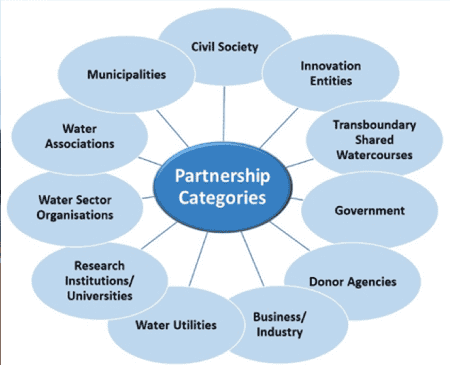
Once an encroachment is identified, Rand Water engages with all affected parties comprising of the public, councillors and local authorities on removal of encroachment.
FORMAL ENCROACHMENTS
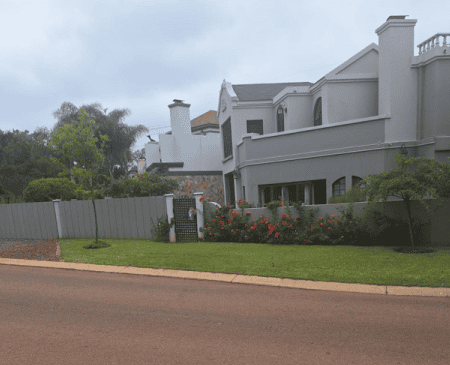
Where a developer develops property contrary to Rand Water’s servitude conditions.
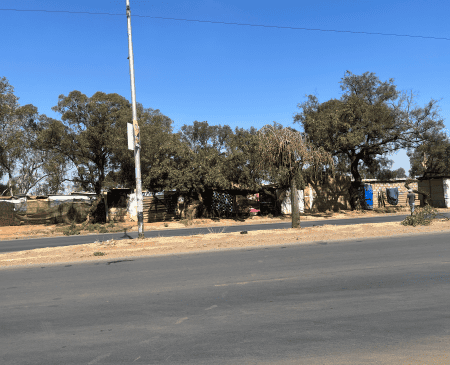
INFORMAL ENCROACHMENTS
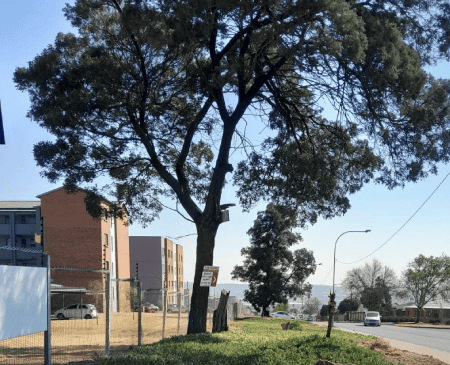
An informal encroachment occurs where land is occupied without any form of approval from Council.
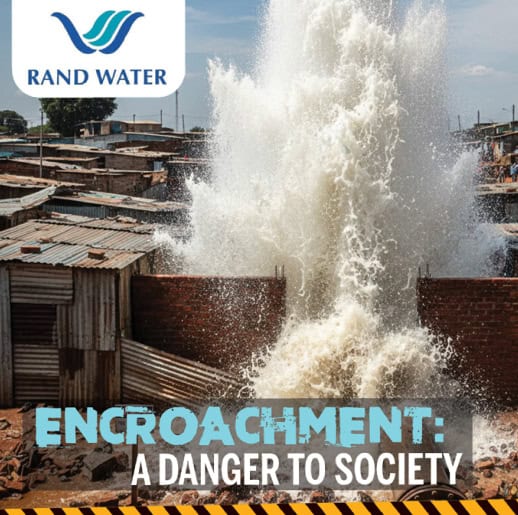
What is Encroachment ?
Encroachment is defined as the trespassing, violating of rights and building on top of the pipelines or a servitude, such as illegal erection of physical object or structure which intrudes on Rand Water Servitudes, i.e. residential houses, business premises, underground fibre or overhead electric cable networks, and unauthorised community activities on Rand Water’s Servitudes.
While Rand Water’s legal right to its servitude prohibits others land users from encroaching on Rand Water’s servitudes, Encroachment remains Rand Water’s second highest risk to the sustainability of the organization due to continuous illegal use of land where Rand Water strategic assets such as pipelines, chambers, and meters are located. These are distribution pipelines that transport potable water quality to Rand Water Customers (Municipalities, Mines, and other Industries).
LEARN MORE