
A pioneer in print. Remembering Trevor Moodley
RICHARD MOODLEY
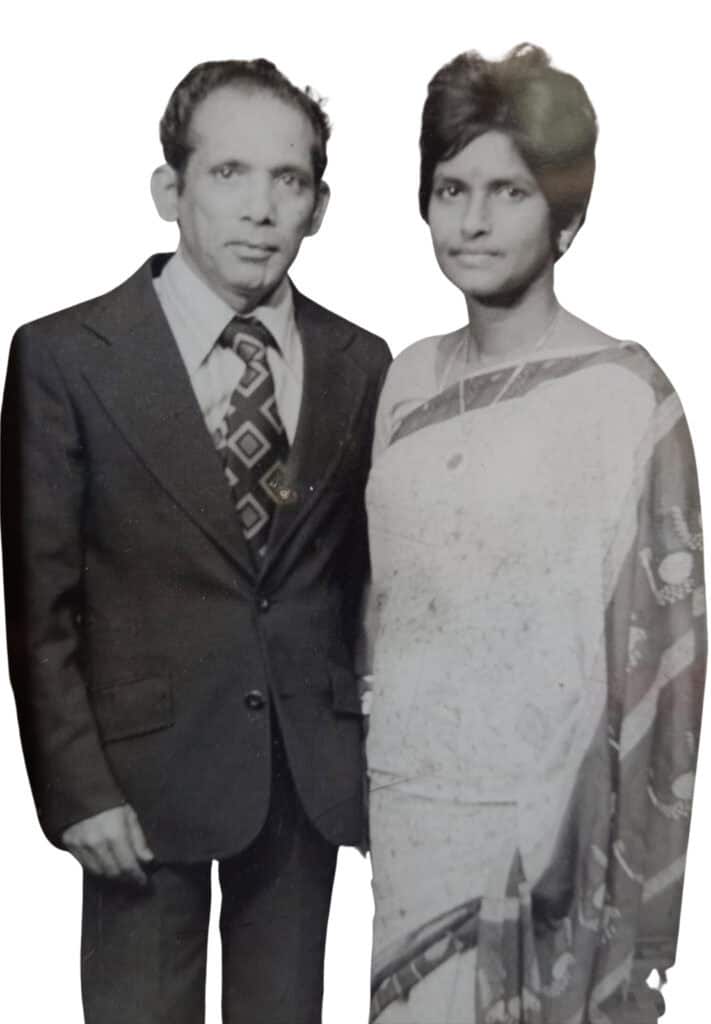
Last week my brother-in-law Vishnu sent me a letter that had been published in The Witness, which this year celebrates 180 years of existence. The writer, Jay Jugwanth, congratulated the newspaper on its remarkable milestone and, in doing so, recalled that my late father, Trevor Moodley (PICTURED), had been the first Indian reporter for the paper.
Reading those words was deeply moving.
To see his name remembered — decades after he first wrote those Saturday pages — felt like a small but meaningful affirmation that the work he did mattered and that the stories he told continue to echo through time. I add my own congratulations to The Witness on this extraordinary milestone, and in doing so I recall my family’s proud association with this remarkable newspaper.
My late father, Trevor Moodley, was a pioneer in his own quiet but powerful way. In the 1960s he became the first Indian reporter to have his own dedicated page in this respected Pietermaritzburg newspaper, The Natal Witness. At a time when apartheid severely limited opportunities for many, his presence in the newsroom and in print was more than a professional achievement — it was a symbol of representation and voice for an entire community.
Every Saturday, readers eagerly awaited his column. His page quickly became a regular and much-loved feature of the newspaper. Many in the community believed that the Saturday edition of The Witness sold especially well because people looked forward to reading what Trevor Moodley had written that week on page two.
During the difficult years of apartheid, his column carried the title Indians in the News by Trevor Moodley. Week after week it chronicled the life of the Indian community — its celebrations, struggles, achievements and milestones. The column highlighted business leaders, professionals, sports figures, social events, education and community initiatives across Natal, particularly in Pietermaritzburg and Durban.
At these gatherings he was a familiar presence, Yashica camera in hand, moving quietly through the crowd, eyes alert for a fleeting smile, a triumphant pose, a moment of everyday courage — each captured frame destined to live again in the pages of his column.
In an era when mainstream newspapers rarely covered Indian community stories in any depth, the page became an important platform. It documented the accomplishments of a community whose stories were often overlooked, recording educational milestones, sporting achievements, civic leadership and cultural life. In many ways it became a living archive of Indian South African life during a time when the country’s racial laws separated communities and restricted their voices.
As South Africa slowly began to change after the Soweto uprising in 1976, and the rigid boundaries of the past began to loosen, the column itself evolved. The page later became known simply as “Trevor Moodley’s Saturday Page.” By then my father had long established himself as a respected and trusted voice — someone who captured the heartbeat of the community he cared so deeply about.
As a young boy growing up in the early 1970s, I witnessed first-hand the dedication my father had to his work and to the people he served. Our home was rarely quiet. Visitors came throughout the week — community leaders, organisers, teachers, parents and sportspeople — each hoping my dad would report on their event, achievement or concern. In those years, being acknowledged in the newspaper meant something profound. It meant that your story mattered.
My father listened patiently to everyone who came through our door. He understood that journalism was not only about reporting the news, but about recognising the dignity and contributions of ordinary people.
Some of my fondest memories of him reporting for The Natal Witness come from Sundays at the Northdale Stadium in Pietermaritzburg. I would accompany him as he reported on Federation League football matches. Those afternoons left a lasting impression on me and turned me into a devoted Maritzburg City supporter.
I idolised players such as Alfred “Bomber” Chamane, Archie Andrews, Steve Maseko and Tony Davids. My favourite goalkeepers were Barry Ward and Jeffrey Swartz. To a young boy, those players were heroes, and the stadium felt like the centre of the sporting world.
After the matches we would head home for an early supper. But the day’s work was not yet finished. I would often accompany my father again — this time to the Witness newsroom in Longmarket Street. The room would be alive with energy as journalists typed furiously on their typewriters, racing to meet the deadline for Monday morning’s edition. It was a world of urgency, ink and determination.
It was there that I first met some of the newspaper’s notable figures. I remember being introduced to the editor, Richard Steyn, and to John Bishop, one of the most prominent sports writers of the period who later became sports editor. Those visits left a lasting impression on me and gave me an early glimpse into the craft and discipline of journalism.
In later years my dear friend Nalini Naidoo would also begin writing for The Natal Witness, continuing that connection between the newspaper and members of our community.
Even today, many years after my father’s passing, I still meet people who remember him warmly as The Witness’s Indian community reporter. Their responses are always filled with stories and fond memories of a man who gave so much of himself to the people he wrote about.
Those encounters remind me of something deeply important: the truest measure of a life is not fame or recognition, but the difference one makes in the lives of others.
My father may simply have thought of himself as a reporter doing his job for The Natal Witness, but in telling the stories of others he helped ensure that their lives, achievements and struggles were recorded and remembered.
For that, and for the opportunity it gave him to serve his community, I remain grateful to The Witness as it celebrates 180 years of telling the stories of our region. Congratulations.