The countdown to the comrades marathon has begun
A remarkable running partnership
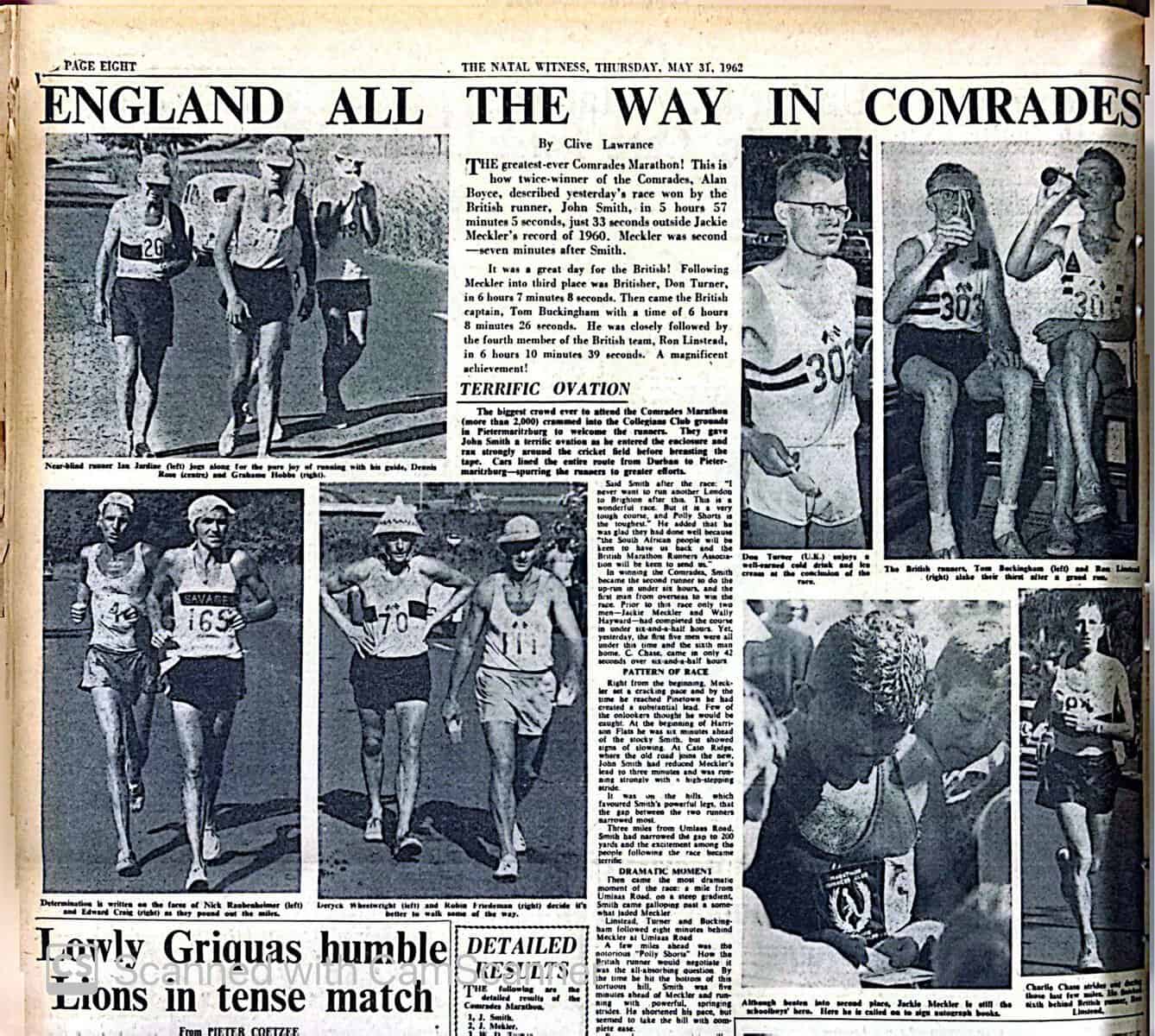
For more than a century, two great KwaZulu-Natal institutions have travelled side by side — the legendary Comrades Marathon and The Witness, South Africa’s oldest continuously published newspaper. In 2026, as The Witness celebrates its remarkable 180th anniversary, the story of the Comrades cannot be told without recognising the newspaper that has chronicled the triumphs, heartbreaks and human spirit of “The Ultimate Human Race” for generations.
Founded in Pietermaritzburg in 1846 by David Dale Buchanan, The Witness began life as The Natal Witness, reporting on the growth of a young colonial settlement that would later become the spiritual home of the Comrades Marathon.
Seventy-five years after the newspaper’s founding, the first Comrades Marathon was run on May 24, 1921. The race was conceived by World War I veteran Vic Clapham as a living memorial to fallen soldiers and as a celebration of endurance, courage and comradeship. Just 34 runners lined up in Pietermaritzburg for that inaugural race to Durban, with only 16 completing the gruelling journey.
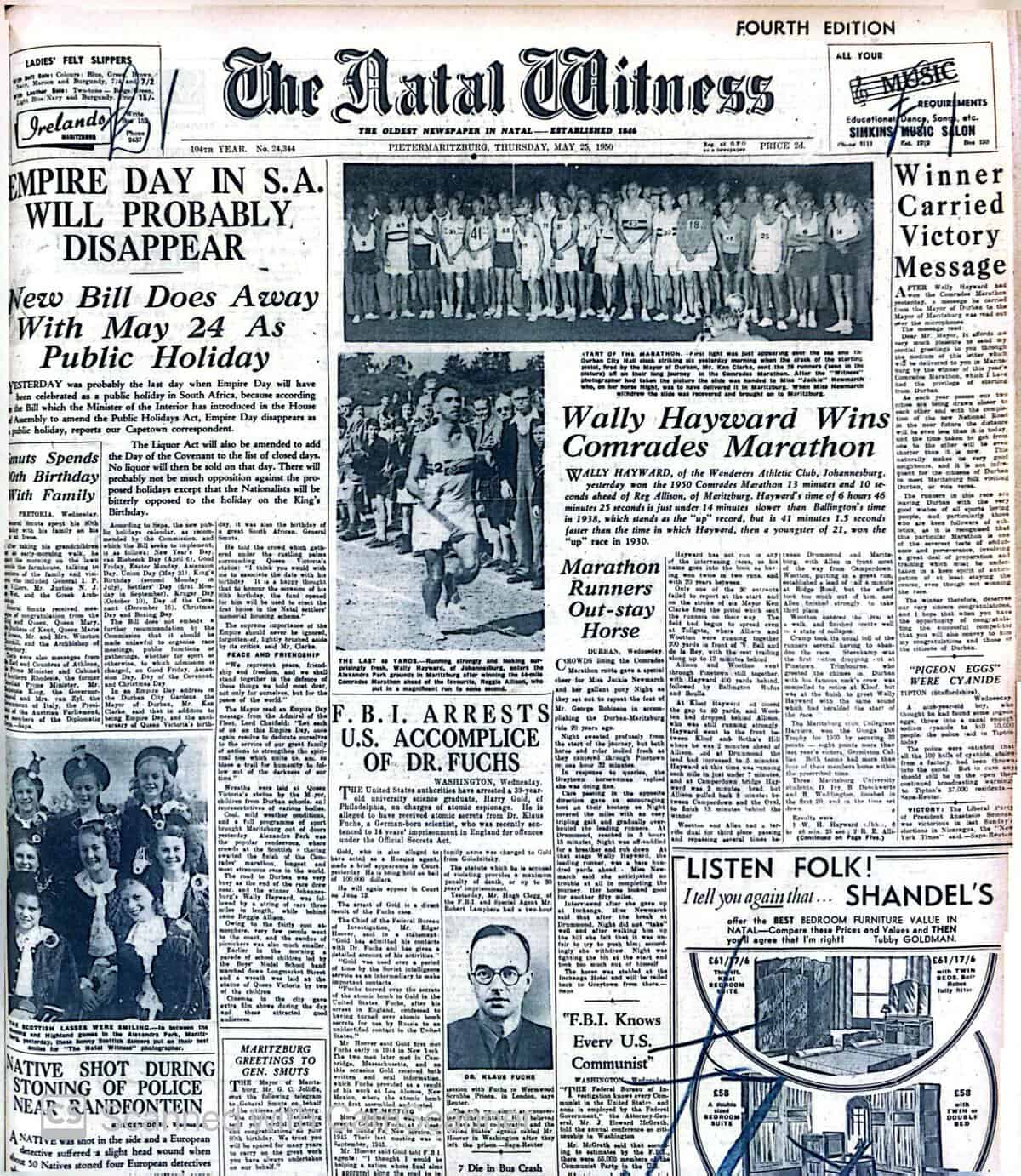
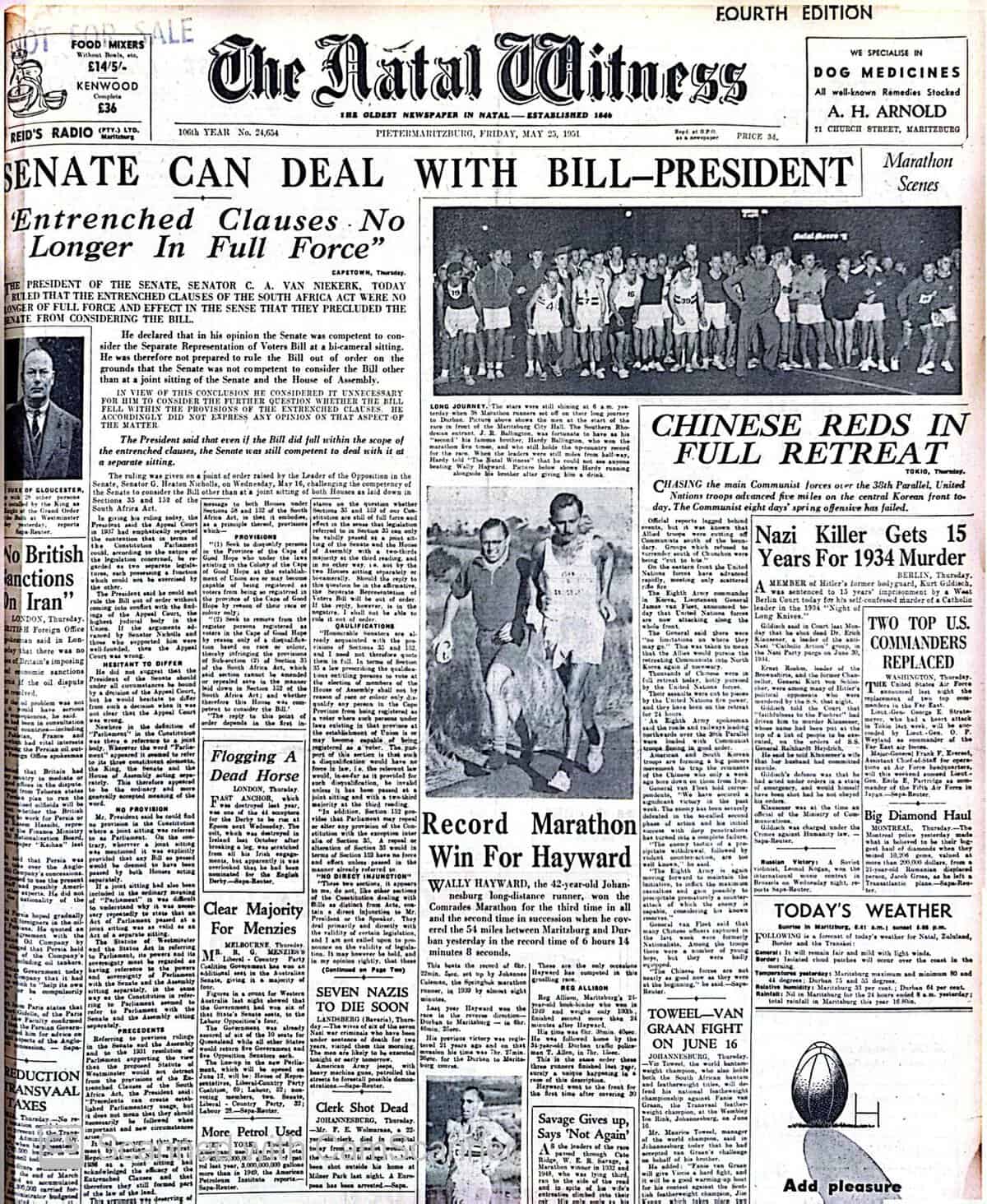
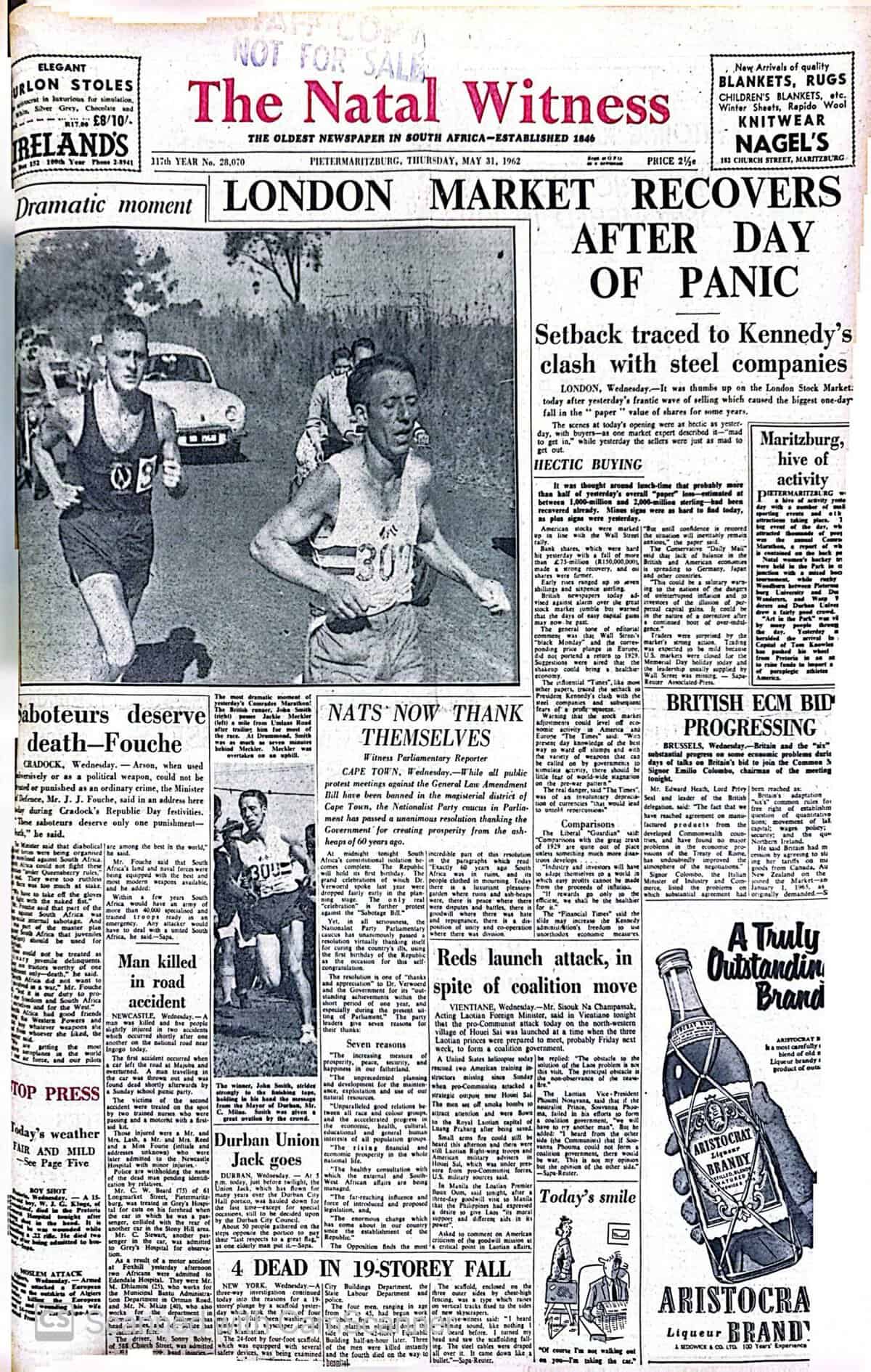
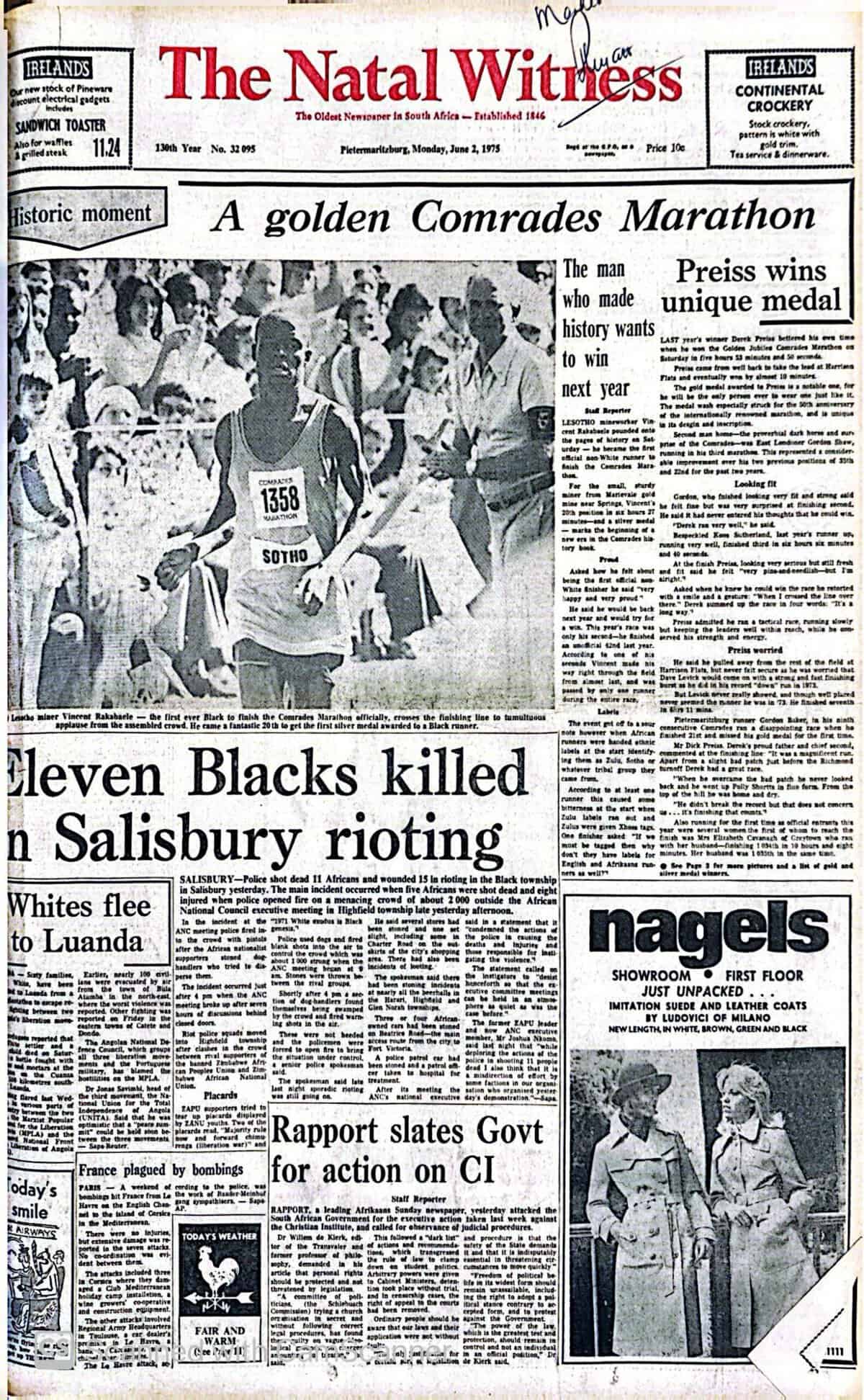
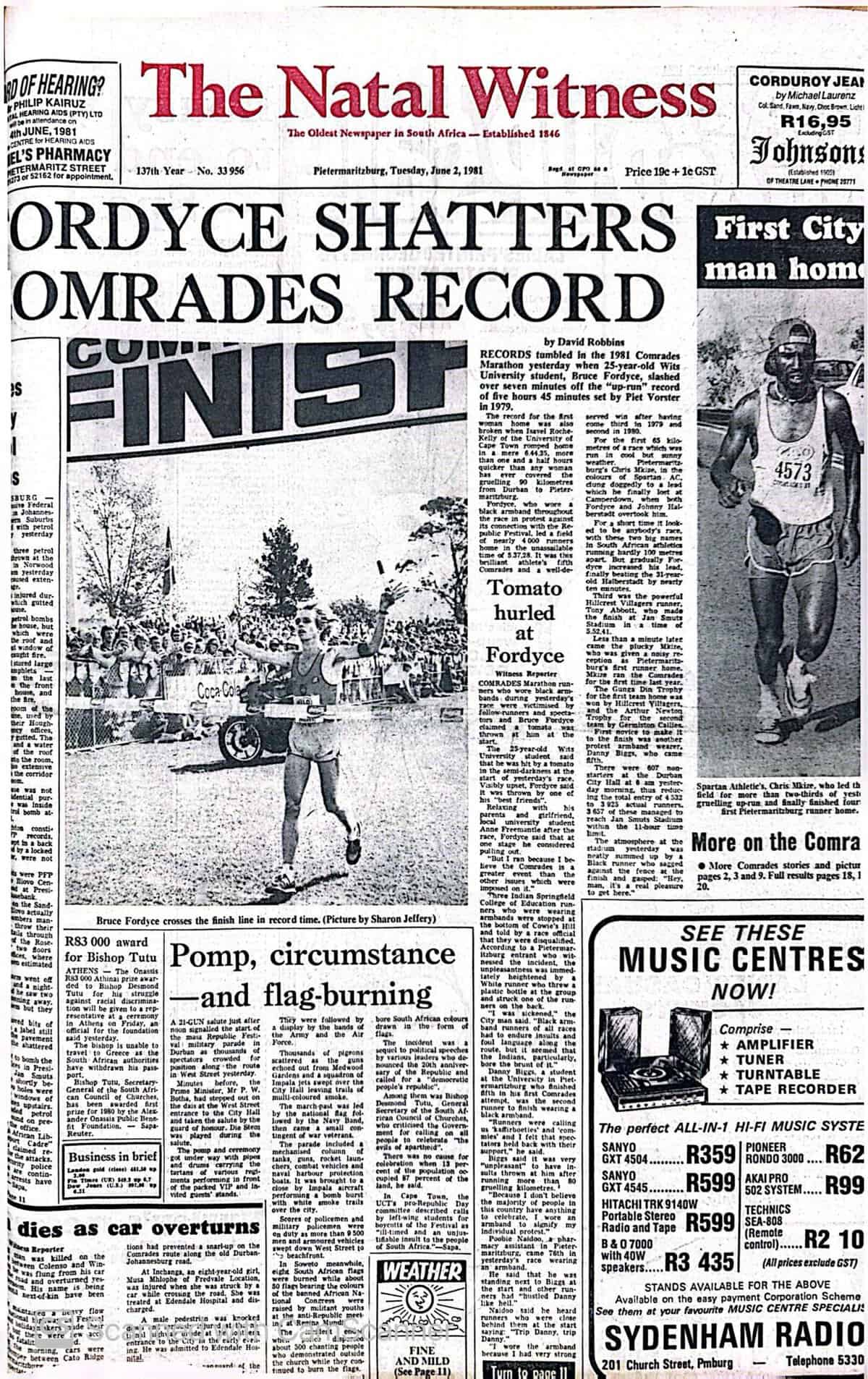
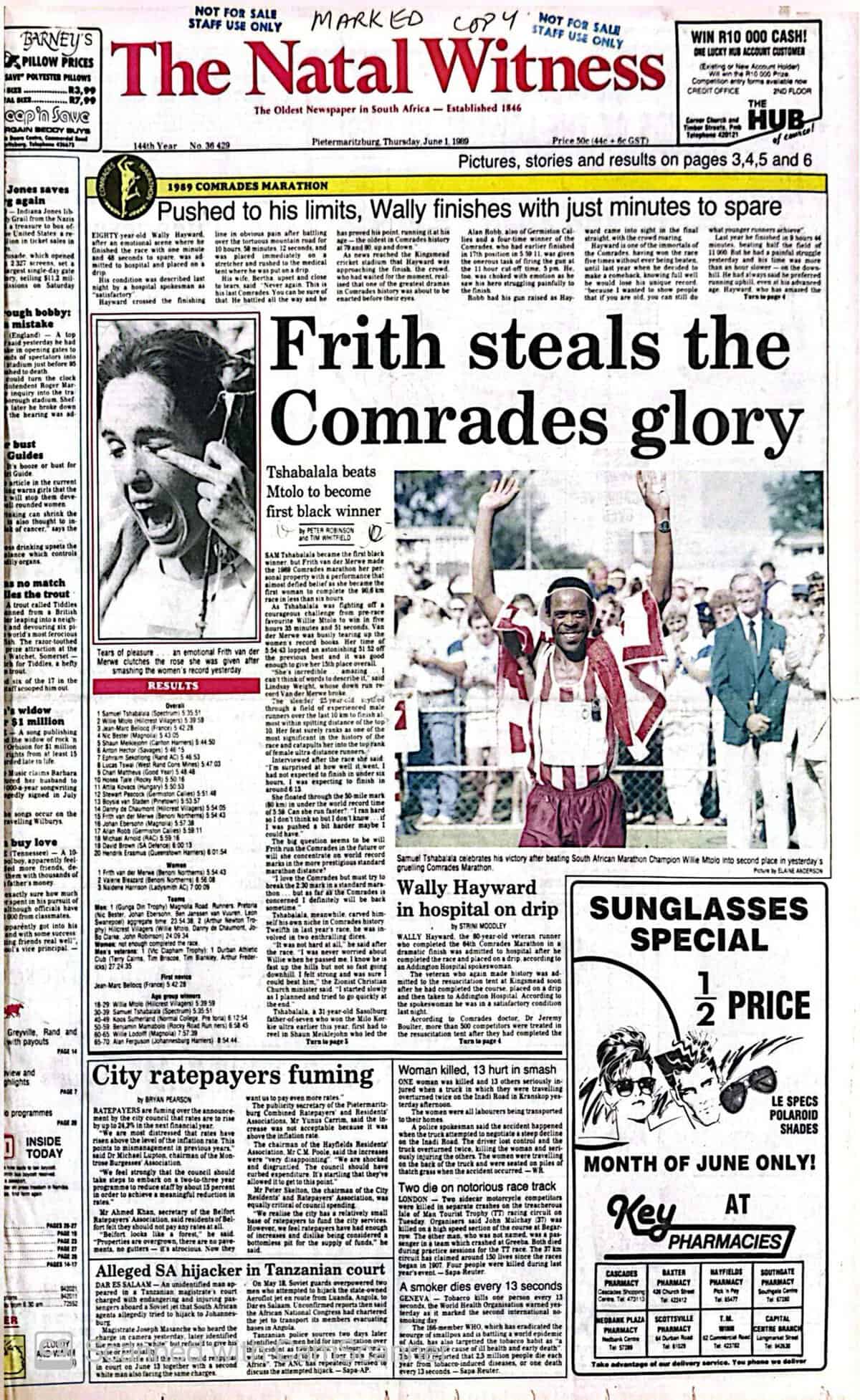
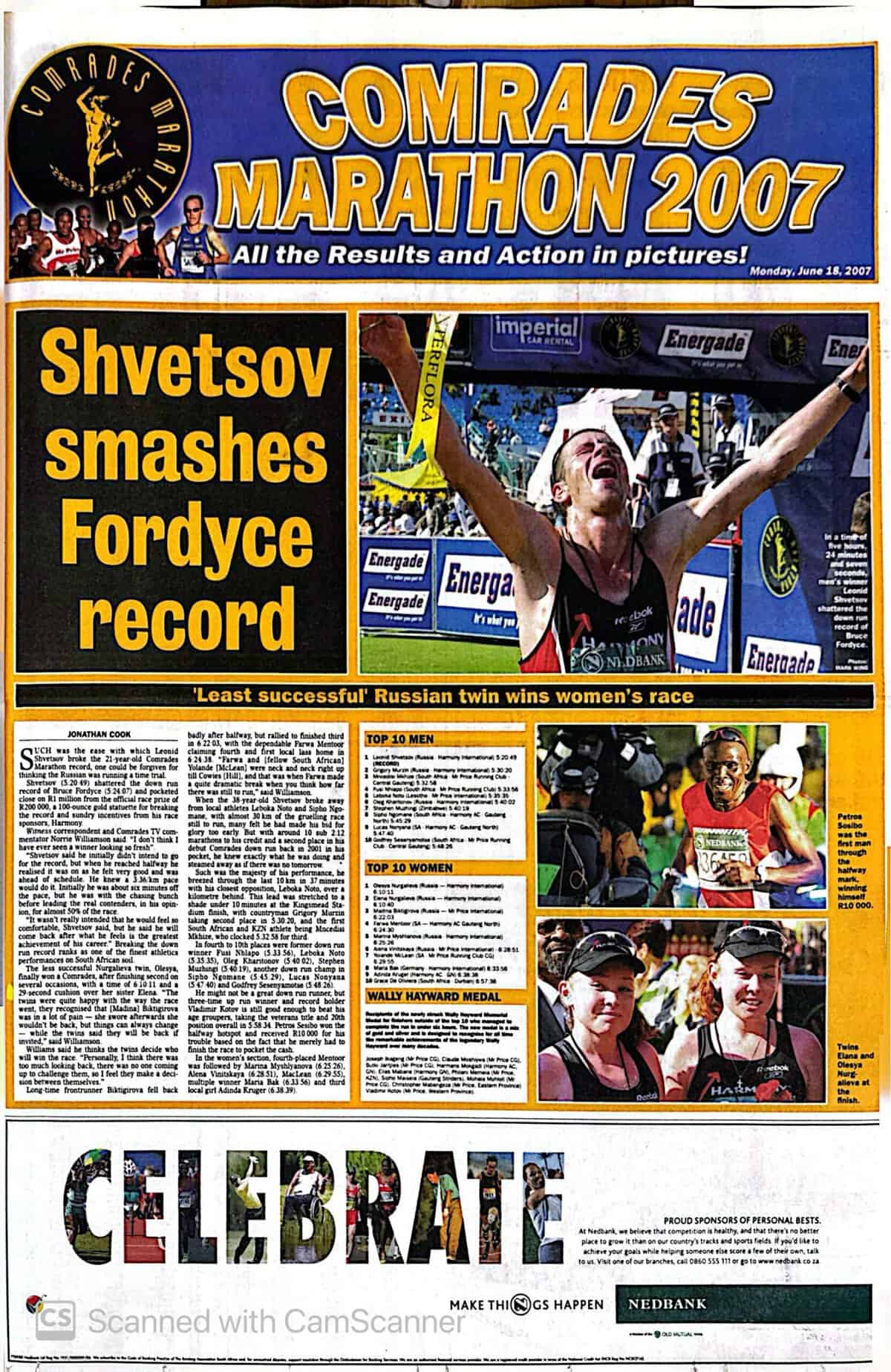
From those earliest years, The Witness became one of the key record-keepers of the marathon’s history. Race reports, photographs, human-interest stories and dramatic finish-line moments filled the newspaper’s pages, preserving memories long before television cameras and social media existed. Historians of the race have acknowledged that much of the documented history of the Comrades is found in newspapers such as The Witness, the Mercury and the Daily News.
As Pietermaritzburg evolved, so too did both institutions. The Comrades grew from a small gathering of hardy runners into one of the world’s most famous ultramarathons, attracting thousands of athletes from across the globe. Meanwhile, The Witness transformed from a weekly publication printed on a hand-operated press into a modern multimedia newsroom serving readers across KwaZulu-Natal and beyond.
Over the decades, the newspaper reported on every era of the race — from the dominance of champions such as Arthur Newton, Wally Hayward and Bruce Fordyce to the emotional stories of ordinary runners simply striving to finish within the 12-hour cut-off. It documented the race’s wartime suspension between 1941 and 1945, the arrival of women runners, the opening of the event to all races during apartheid, and the modern era of international competition.
For generations of readers, race day coverage in The Witness became part of the Comrades tradition itself. Families searched the newspaper for names of finishers, schools celebrated former pupils who completed the race, and communities followed the inspirational stories of runners overcoming illness, injury and adversity. The newspaper’s photographers captured exhausted athletes climbing Polly Shortts, conquering Botha’s Hill and collapsing with joy at the finish line.
The bond between the marathon and the newspaper is rooted deeply in Pietermaritzburg. Both institutions helped shape the identity of the city and the province. The Comrades showcased KwaZulu-Natal’s landscapes and resilient spirit, while The Witness served as the province’s storyteller, documenting political upheaval, sporting milestones and community life for nearly two centuries.
Today, the Comrades Marathon stands as one of South Africa’s greatest sporting events, with more than 300 000 runners having completed the race since 1921. At the same time, The Witness, now 180 years old, continues adapting to the digital age while maintaining its commitment to credible journalism and community storytelling.
In many ways, the journeys of the Comrades Marathon and The Witness mirror one another. Both have survived wars, political change, economic challenges and technological revolutions. Both remain symbols of endurance. And both continue to inspire South Africans through stories of resilience, determination and the enduring power of the human spirit.
Over the decades, the newspaper reported on every era of the race — from the dominance of champions such as Arthur Newton, Wally Hayward and Bruce Fordyce to the emotional stories of ordinary runners simply striving to finish within the 12-hour cut-off. It documented the race’s wartime suspension between 1941 and 1945, the arrival of women runners, the opening of the event to all races during apartheid, and the modern era of international competition.
For generations of readers, race day coverage in The Witness became part of the Comrades tradition itself. Families searched the newspaper for names of finishers, schools celebrated former pupils who completed the race, and communities followed the inspirational stories of runners overcoming illness, injury and adversity. The newspaper’s photographers captured exhausted athletes climbing Polly Shortts, conquering Botha’s Hill and collapsing with joy at the finish line.
The bond between the marathon and the newspaper is rooted deeply in Pietermaritzburg. Both institutions helped shape the identity of the city and the province. The Comrades showcased KwaZulu-Natal’s landscapes and resilient spirit, while The Witness served as the province’s storyteller, documenting political upheaval, sporting milestones and community life for nearly two centuries.
Today, the Comrades Marathon stands as one of South Africa’s greatest sporting events, with more than 300 000 runners having completed the race since 1921. At the same time, The Witness, now 180 years old, continues adapting to the digital age while maintaining its commitment to credible journalism and community storytelling.
In many ways, the journeys of the Comrades Marathon and The Witness mirror one another. Both have survived wars, political change, economic challenges and technological revolutions. Both remain symbols of endurance. And both continue to inspire South Africans through stories of resilience, determination and the enduring power of the human spirit.