Port Alfred’s rich history and transformation since the 1820 Settlers.
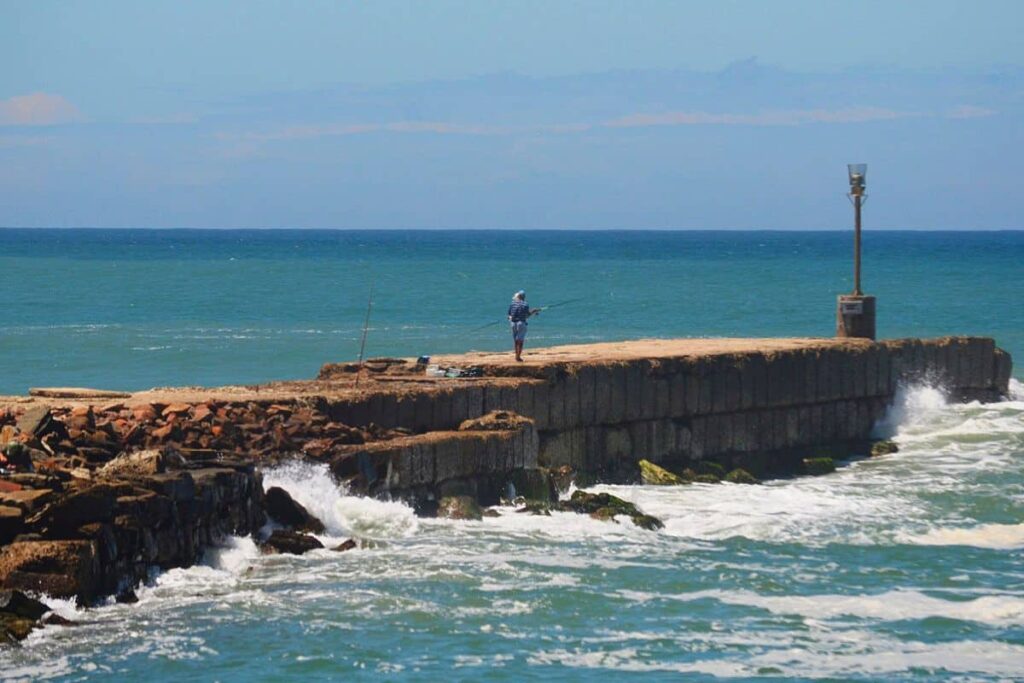
I’ve spent time in so many ports in South Africa recently, I feel as if I could have been a sailor rather than a landlubber: Port Nolloth, Port St Francis, Port St Johns, Port Elizabeth (Gqeberha), Port Edward, Port Shepstone and now (again) Port Alfred.
I’ve lost count of how many times I’ve crossed the arch bridge over the Kowie River, to and fro along the coastal R72 that links Buffalo City (East London) with the south-western part of the Eastern Cape.
The road, for many years a nightmare of innumerable construction delays, is one of the most scenic in the country with a driving surface that contradicts anything you’ve come to expect from this cash-strapped province.
It is worth mentioning the river early – its name is thought to derive from Khoisan rather than anyone named Kowie (or “Cowie”, which is a popular local alternative spelling) – as it is the reason for the town’s existence.
Like many settlements along the Sunshine Coast* of South Africa, Port Alfred was spawned by the arrival of the 1820 Settlers. The strategic value of the Kowie River as a port was quickly appreciated and the first ships anchored in its estuary in 1821.
The town was known as Port Kowie before being renamed Port Frances (to honour the wife of Colonel Henry Somerset, who was in charge of military forces in the area) in 1825. It acquired its current identity after a visit to the Cape of Good Hope by Prince Alfred, Queen Victoria’s son, in 1865.
Port Alfred, situated almost exactly halfway between Gqeberha and Buffalo City, has a population of around 30 000 people.
The advent of railways and later road transport from these two hubs saw the demise of the Kowie River as a commercial harbour. The economy is currently driven by agriculture and tourism.